
Resource
What the Stockholm Longevity × AI Hackathon taught us about building for researchers
3 weeks ago, Amass joined the Stockholm Longevity × AI Hackathon. 80+ participants, 16 teams and 5 tracks Here is what the winners built and what we learned
Written by Caroline, Event and GTM at Amass.
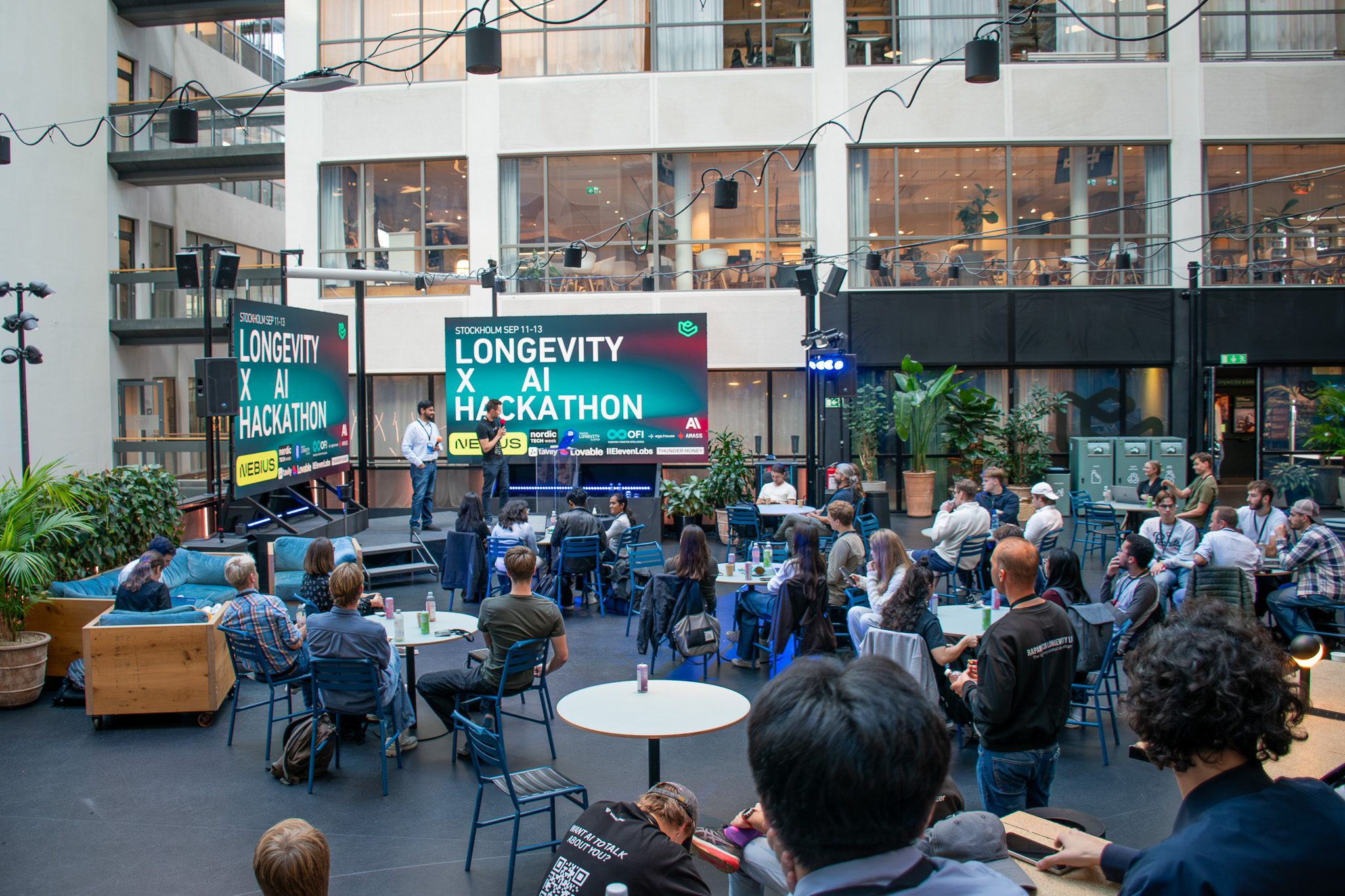
From 11 to 13 September, we were at the Stockholm Longevity × AI Hackathon (https://luma.com/5b82vwsa), a 36-hour build at Epicenter Stockholm during Nordic Tech Week. Oxbridge Frontier Intelligence and the Swedish Longevity Cluster organised it, Nebius was the headline sponsor, and Amass joined Tavily and ElevenLabs as a tooling partner.
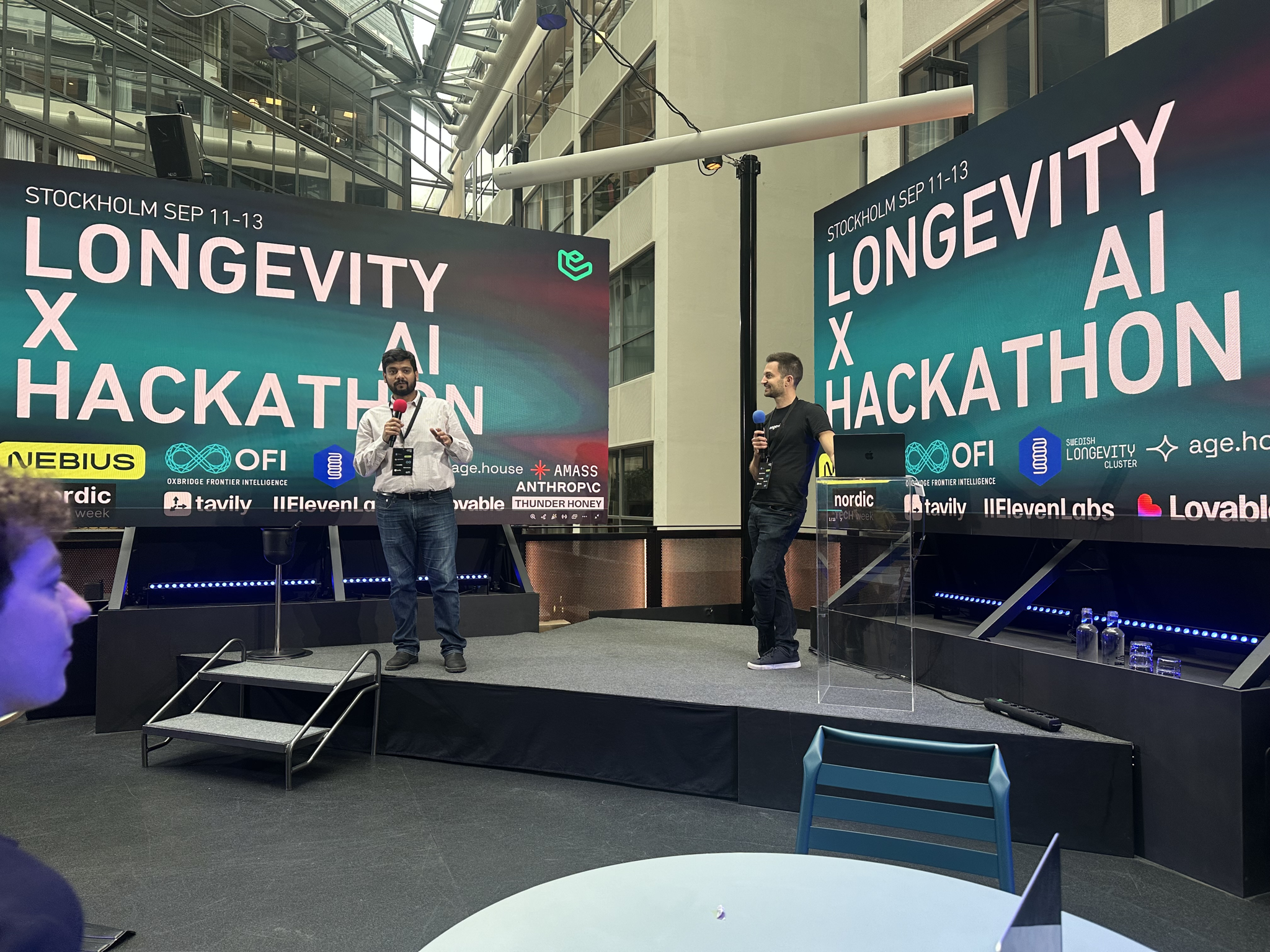
Every team got $500 in Amass API credits and a dedicated hackathon page with an API recipe for each track. Henrik Jensen, our CEO, and Jörn Petersen, our Lead AI and Data Engineer, ran the Amass onboarding session at the Friday launch.
I was impressed by the turnout, the dedication and the solutions the teams came up with. They were very creative, and some were close to production-ready.
Henrik Jensen
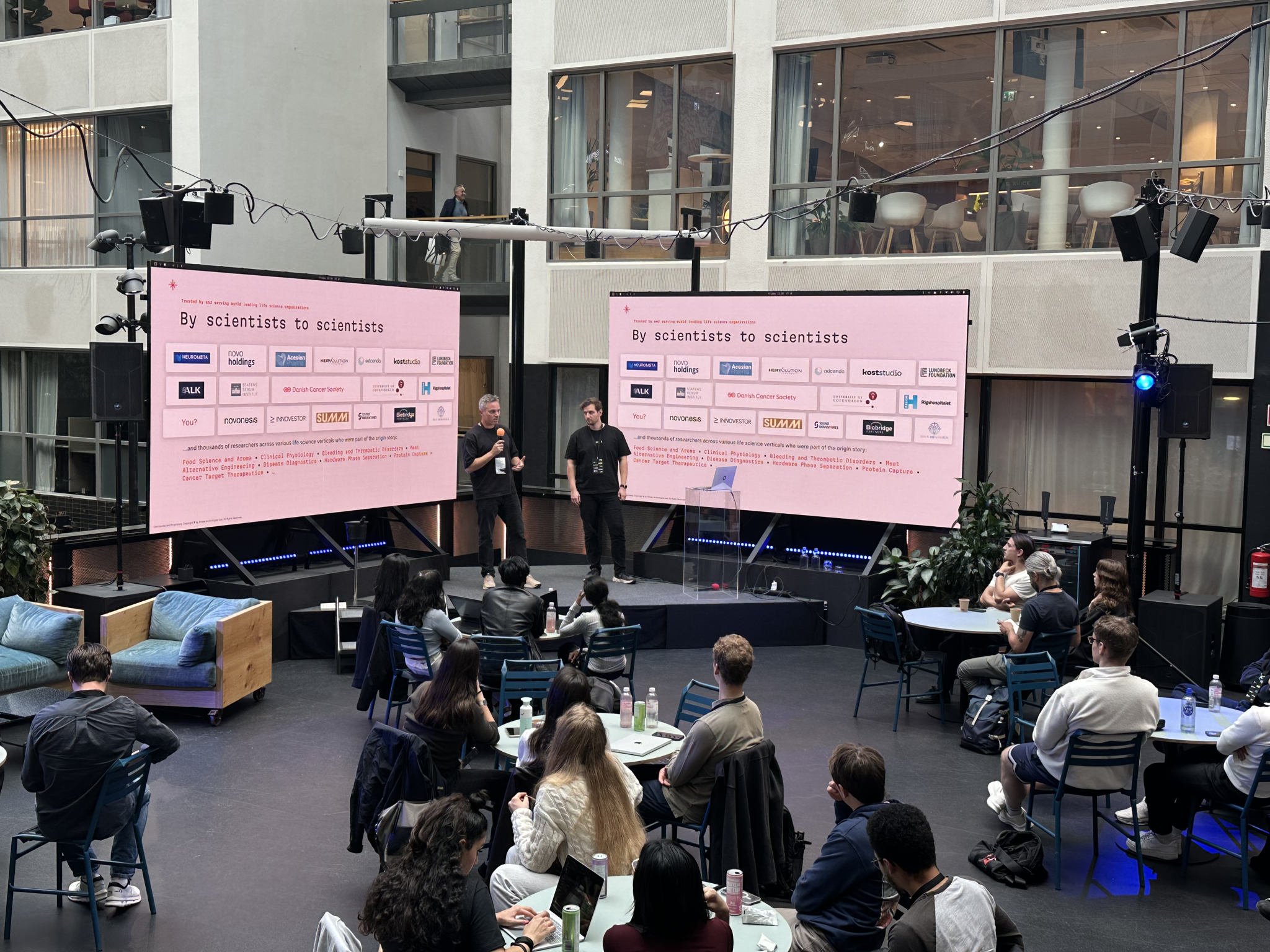
What the winning teams built
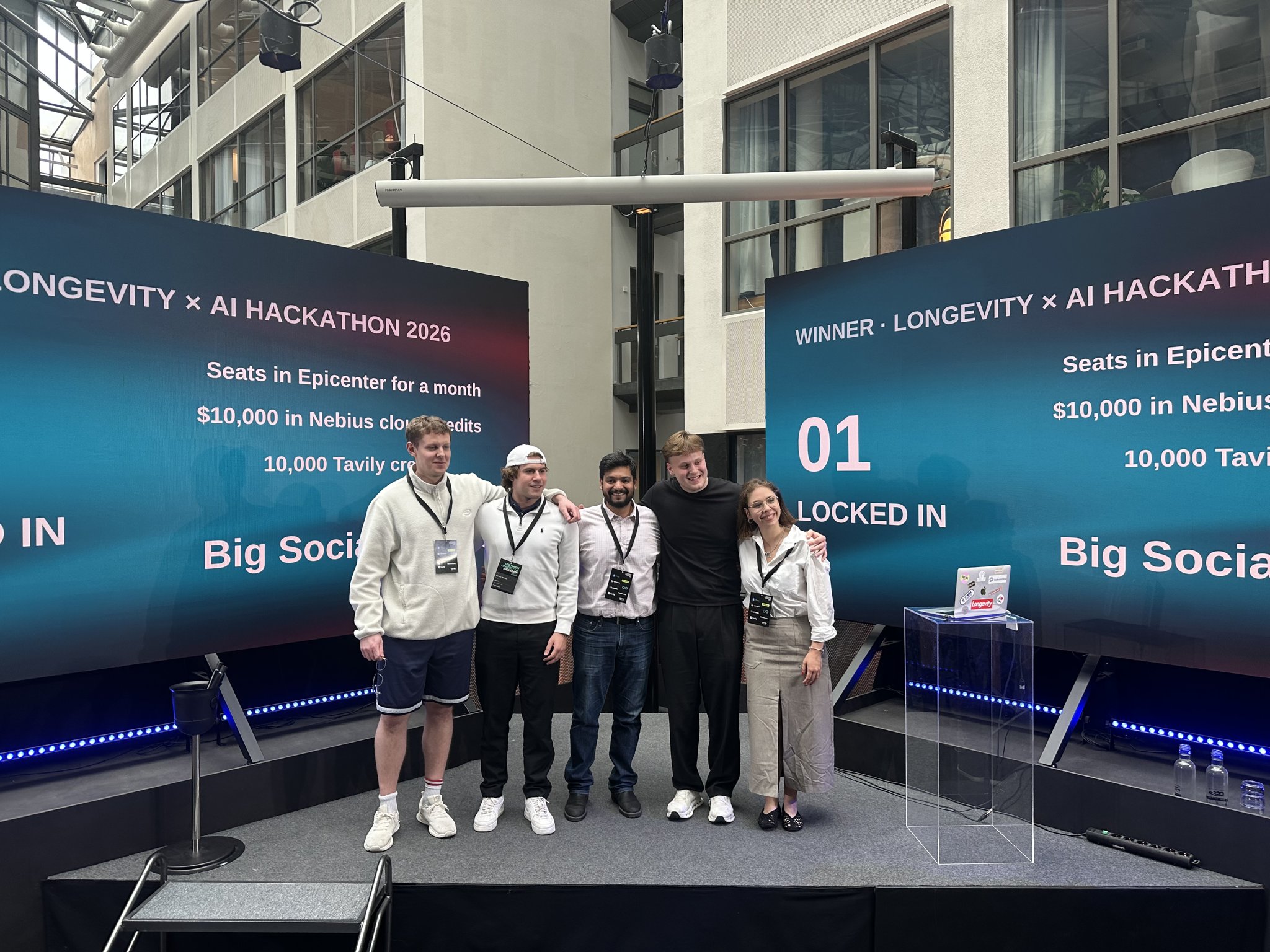
Pillot, from team LockedIn, was the overall winner, in the healthspan and clinical translation track. Pillot is an AI medication-adherence companion. It guides patients by voice and video and checks that the medicine package in their hand is the right one. After a hospital discharge it supports adherence and can escalate to an evidence-linked summary for a clinician or pharmacist to review.
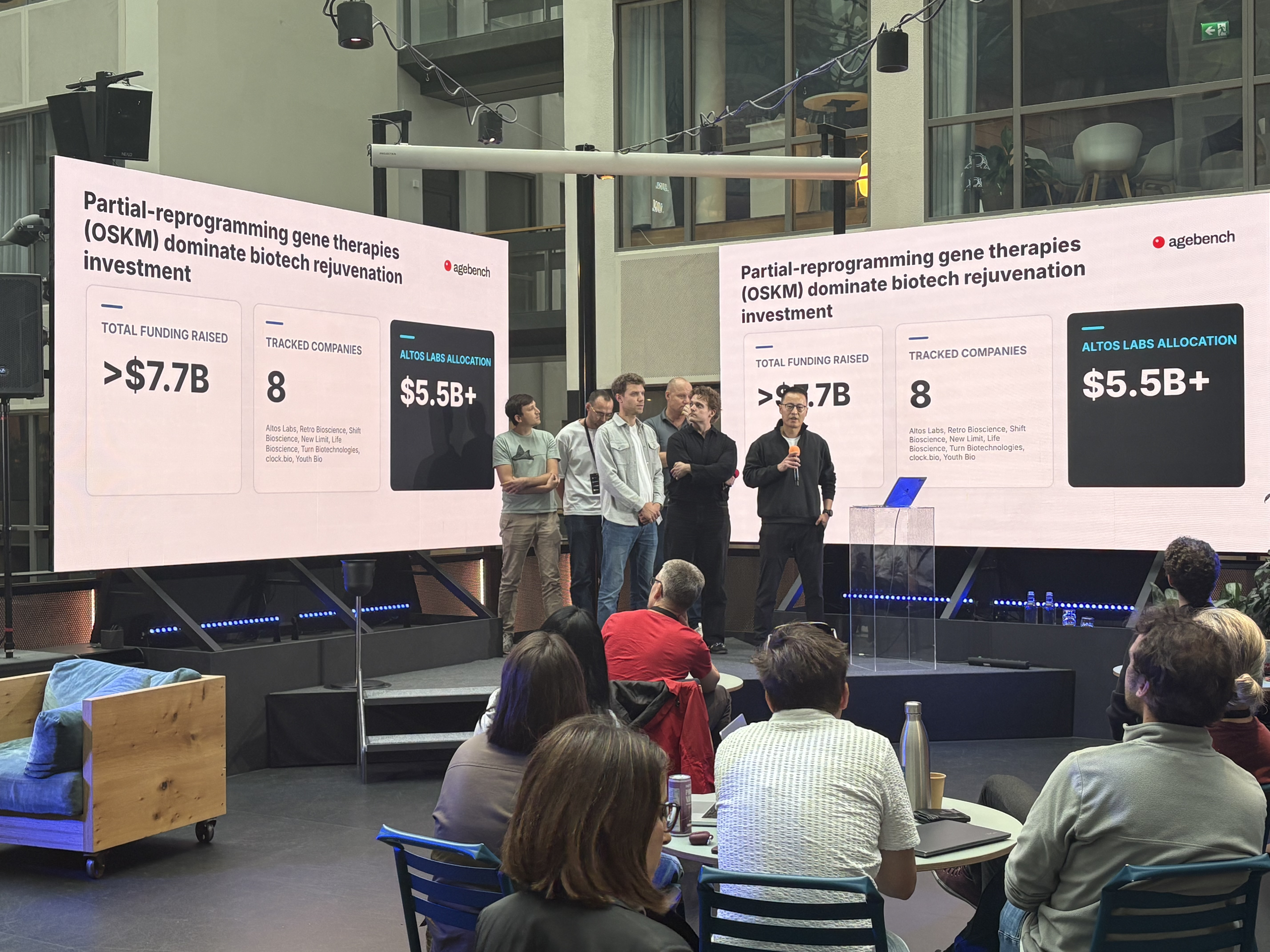
AgeBench, a Karolinska and Cambridge-linked team, took third place in the same track. Their workflow combines transcriptomic age-shift signals, cell-morphology features and published evidence to find and refine small molecules that may modulate biological ageing. Using Amass as a source of scientific data.
Longevity biology runs on proxies
Ageing plays out over decades, so nobody can wait for the real endpoint, least of all a team with 36 hours. The longevity biology track asked for ageing clocks, biomarker inference, target triage and in-silico trial design, and each of those works through a proxy for ageing itself. AgeBench's workflow, for example, combined transcriptomic age-shift signals with morphology-based ageing clocks to nominate and refine small molecules.
A proxy is only as good as the evidence behind it, and in this field the evidence is spread thin. One Demo Day team put it on a slide: "Evidence about the same biological system is scattered across papers, pathways, cell types, species, models and experimental conditions."
Claims also tend to move faster than the evidence, and metformin, the example we used for the track, shows how far. Two completed randomised trials, MILES and ANTHEM, tested it against ageing biology and posted results, but every FDA and EMA authorisation for metformin is for type 2 diabetes. A team building in longevity has to see that gap before it builds on a claim. Amass makes that check fast, because each trial, label and paper behind a claim comes back with an id that points to its source.
Summing up
Stockholm showed us who reaches for Amass first: engineers who give an agent access to literature, trials, genes and approvals and let it work. The weekend also showed us the people we still need to reach, the biologists and clinicians who know which question is worth asking in the first place. Longevity science needs both groups, and a claim about ageing has to stand on primary evidence that both can check.
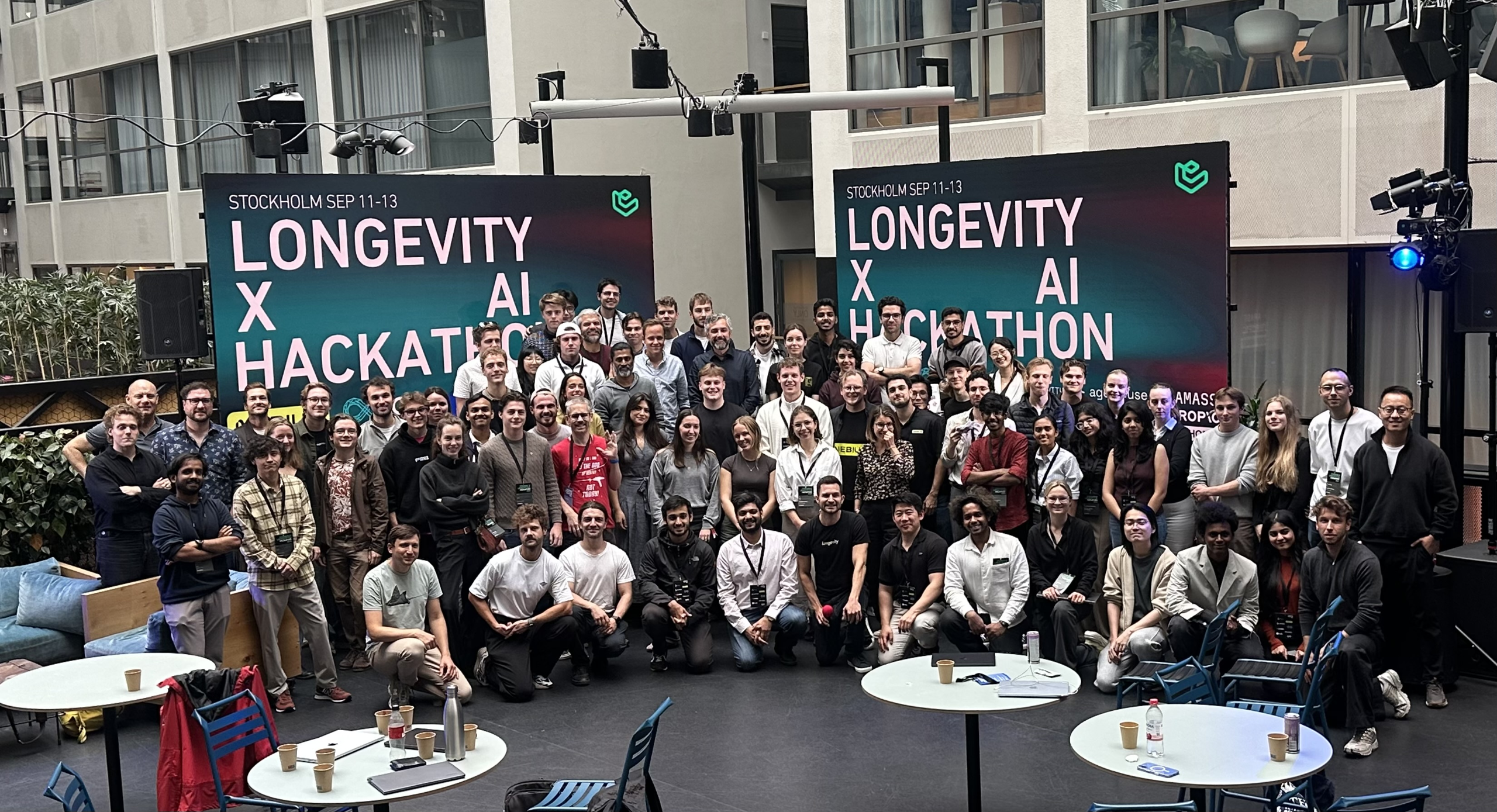
Thank you to Oxbridge Frontier Intelligence and the Swedish Longevity Cluster for running the weekend. Thank you also to Epicenter Stockholm for the venue, and to every team that built on Amass.
If you are building on biomedical evidence, or want to tell us what we should build next, talk to our engineers:
Book a technical discussionPhotos: Linnea for Epicenter Stockholm, and Sara.